If you are buying a home in Alsip, one question will shape almost every decision you make: should you pay more for updates now, or buy a home with a lower price and plan for repairs later? That can feel like a tough tradeoff, especially when you want to stay on budget without taking on costly surprises. The good news is that Alsip gives many buyers real choices, and with the right strategy, you can weigh price, condition, and long-term value more confidently. Let’s dive in.
Why Alsip gives buyers options
Alsip is a south suburban Cook County community with 18,583 residents and 7,724 households. For buyers who want suburban pricing with access to Chicago, it can be an appealing market, especially with a mean travel time to work of 30.1 minutes.
Price points in Alsip often sit in a range that attracts value-focused buyers. Census estimates place the median value of owner-occupied homes at $225,000, while spring 2026 market data shows sale and list prices generally in the mid-$260,000s to mid-$275,000s.
Market pace depends on the source, which is why local guidance matters. Recent data shows median days on market ranging from about 28 to 59 days, with sale-to-list pricing near 99%, so some homes move quickly while others give you more time to evaluate.
Why condition matters in Alsip
A big part of buying in Alsip is understanding the housing stock. According to CMAP, 53.7% of homes are single-family detached, but buyers will also see a meaningful number of smaller multifamily buildings.
The age of the homes is just as important as the property type. About 42.2% of units were built from 1970 to 1989, 34.4% were built from 1940 to 1969, and the median year built is 1975.
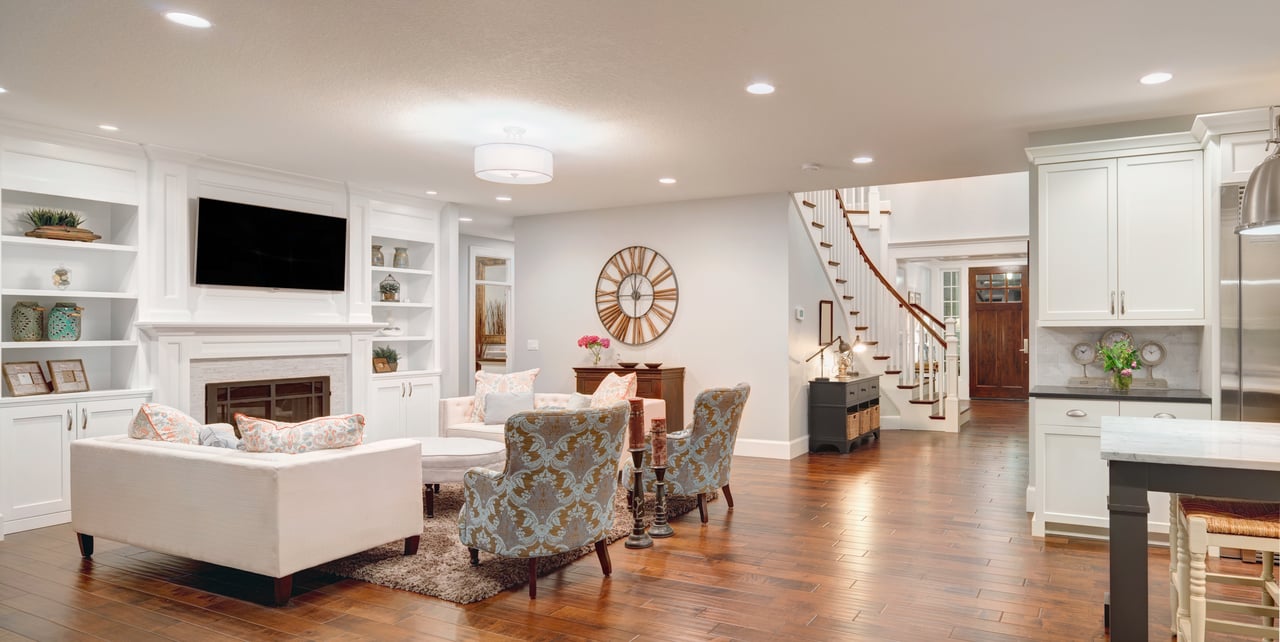
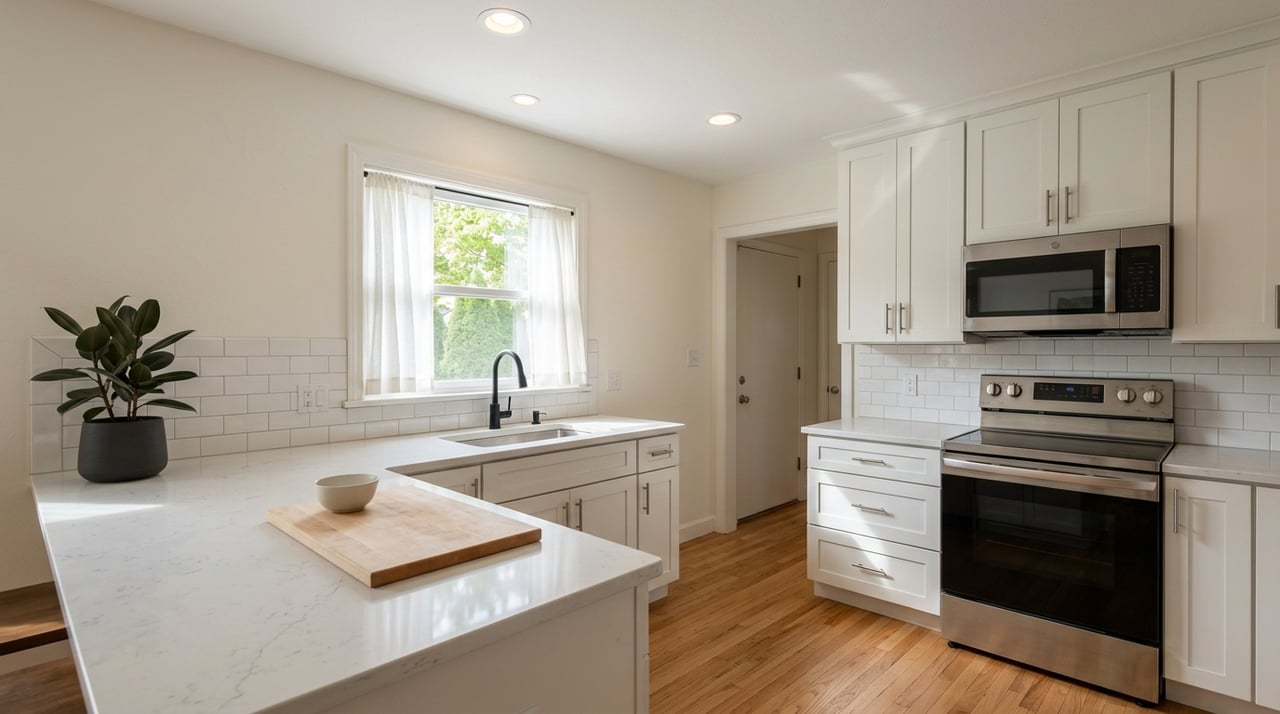
That means many buyers are not choosing between a perfect house and a bad one. More often, you are comparing a recently updated home with a home that may still need work on major systems, cosmetic finishes, or both.
Updated home or fixer?
Neither option is automatically better. The right choice depends on your cash reserves, your monthly payment comfort, your timeline, and how much uncertainty you are willing to manage after closing.
An updated home may cost more upfront, but it can reduce your near-term repair risk. A lightly dated or fixer property may offer a lower purchase price, but you need room in your budget for inspection findings, repairs, and post-closing maintenance.
Here is a simple way to compare the two:
| Option | Potential upside | Potential tradeoff |
|---|---|---|
| Updated home | Fewer immediate projects, easier move-in | Higher purchase price |
| Lightly dated home | Lower entry price, chance to improve over time | Some repairs or updates may be needed soon |
| Fixer property | May create value through improvements | Higher uncertainty and larger repair budget |
Common condition issues to watch
Because many Alsip homes were built before 1980, system condition deserves close attention. Older suburban homes often raise questions about roof life, furnace and air conditioner age, plumbing leaks, sump pumps, sewer backups, basement seepage, foundation cracking, electrical panels, and prior pest damage.
These are not automatic deal breakers. They are issues to evaluate carefully so you understand what you are buying and what it may cost to maintain.
If a home looks great cosmetically, do not stop there. Fresh paint and updated flooring can make a strong first impression, but your bigger budget risks often come from mechanical systems, drainage, structural concerns, or hidden moisture.
What Illinois disclosures tell you
In Illinois, sellers must provide a residential real property disclosure report before contract signing. The law requires sellers to disclose material defects they actually know about, including issues involving the foundation, roof, electrical system, plumbing, HVAC, septic or sewer, radon, asbestos, lead hazards, earth stability, and termites or other wood-boring insects.
That disclosure is important, but it does not replace your own due diligence. Illinois law makes clear that the disclosure is not a substitute for inspections, and buyers may request a qualified professional inspection.
In practical terms, you should read the disclosure carefully and treat it as the start of your review, not the end of it. If something is unclear, ask questions early so you can make a more informed decision before moving too far into the transaction.
Why inspections still matter
In the Chicago area, attorney review and inspection rights remain a normal part of the buying process. That is good news for buyers who want to stay protected while still making a competitive offer.
A professional inspection can help you separate manageable repairs from expensive surprises. It can also give you a stronger basis for negotiating repairs, credits, or price adjustments when major issues come up.
If you are trying to balance budget and condition, the inspection period is one of your best tools. It helps you understand whether a lower-priced home is truly a value or simply a property with deferred costs waiting for you after closing.
Lead and radon deserve extra attention
Alsip’s median year built is 1975, which places a large share of the housing stock in the pre-1978 era. Homes built before 1978 are more likely to contain lead-based paint, and federal data cited in the research report notes that 24% of homes built between 1960 and 1978 have some lead-based paint.
Radon is another issue worth taking seriously. Illinois public health guidance states that the only way to know a home’s radon level is to test the air, and Illinois agencies recommend keeping radon below 4.0 pCi/L.
For many Alsip buyers, especially when a home has a basement or is older, ordering a radon test is a practical step. Illinois also requires sellers to provide buyers with state radon disclosure information and the state pamphlet on radon hazards.
Build your budget beyond the sale price
A smart Alsip budget should cover more than the number on the contract. You also need to consider down payment, closing costs, inspection costs, immediate repairs, and a reserve for work that may come up after you move in.
Property taxes belong in that calculation too. The Cook County Treasurer’s office says property taxes have risen faster than inflation over the long run, so reviewing the actual tax bill for a specific property can help you avoid stretching your budget too far.
This is where many buyers get into trouble. A home may seem affordable based on sale price alone, but when taxes, repairs, and monthly ownership costs are added in, the true payment picture can look very different.
Assistance programs may help
If you are a first-time buyer or a value-focused buyer, IHDA’s Access Home program may be worth exploring. According to IHDA, the program offers down payment and closing-cost assistance equal to 6% of the purchase price, capped at $15,000, as an interest-free deferred loan attached to a 30-year fixed-rate mortgage.
IHDA states that buyers must work with an approved lender, contribute $1,000 or 1% of the purchase price, complete homeownership education before closing, and meet income, purchase-price, and credit requirements. IHDA also offers forgivable, deferred, and repayable assistance products statewide.
Programs like this can help you keep more cash available for repairs or early maintenance. That flexibility can be especially useful if you choose a home that needs work but still fits your long-term goals.
How to stay competitive without taking big risks
In a market where some homes still receive multiple offers, it can be tempting to give up protections just to win. In most cases, a better approach is to make your offer strong in ways that do not expose you to unnecessary risk.
Focus on the basics that matter most:
- Get fully preapproved before you shop seriously
- Know your maximum monthly comfort level, not just your top price
- Keep inspection and financing contingencies in place
- Order a radon test when the home is older or has a basement
- Use reasonable timelines that show you are prepared to move forward
- Negotiate repair credits when inspection findings point to expensive work
A clean, organized offer can still be competitive without asking you to waive the protections that help you avoid a costly surprise.
A practical way to compare homes
When you tour homes in Alsip, try using the same checklist each time. That makes it easier to compare an updated property against one with deferred maintenance.
Pay attention to these categories:
- Price: How does the asking price compare with your target budget?
- Condition: What appears updated, and what may be nearing the end of its useful life?
- Layout: Does the home fit how you live day to day?
- Repair risk: Would one major repair strain your finances?
- Cash after closing: Will you still have reserves once the transaction is complete?
- Monthly cost: Have you factored in taxes, insurance, and likely maintenance?
This kind of side-by-side review helps you move past surface-level appeal. It also gives you a better sense of whether a lower-priced home is truly the smarter buy.
The best Alsip buy is not always the cheapest
The goal is not simply to buy the lowest-priced house you can find. The goal is to buy a home you can afford to own, maintain, and enjoy without constant financial stress.
Sometimes that means paying more for a home with fewer immediate repair needs. Other times, it means buying a dated home at the right price and keeping enough cash in reserve to improve it over time.
In Alsip, buyers often do best when they stay disciplined, inspect carefully, and think about total cost instead of list price alone. That balance can help you make a decision that feels solid on closing day and still makes sense months later.
If you want a steady, practical approach to buying in Alsip, working with an experienced local broker can make the process clearer from the start. For guidance that puts budget, condition, and smart decision-making first, connect with Tamika Marks.
FAQs
What is the typical home price range for buyers in Alsip?
- Recent spring 2026 data in the research report places Alsip sale and list prices generally in the mid-$260,000s to mid-$275,000s, though individual homes can vary based on condition, updates, and property type.
Why do home inspections matter when buying an older home in Alsip?
- Many Alsip homes were built between 1940 and 1989, so inspections can help identify issues with roofing, HVAC, plumbing, foundations, drainage, electrical systems, and other costly items before you close.
What does an Illinois seller have to disclose when selling a home in Alsip?
- Illinois sellers must provide a residential real property disclosure report before contract signing and disclose material defects they actually know about, including issues related to roofs, foundations, plumbing, electrical systems, HVAC, radon, asbestos, lead hazards, sewer or septic defects, and pests.
Should buyers test for radon when purchasing a home in Alsip?
- Yes, radon testing is a practical step, especially for older homes or homes with basements, because Illinois public health guidance says the only way to know a home’s radon level is to test the air.
How can first-time buyers get help with upfront homebuying costs in Alsip?
- The research report notes that IHDA’s Access Home program offers eligible buyers down payment and closing-cost assistance equal to 6% of the purchase price, up to $15,000, subject to lender, education, and qualification requirements.