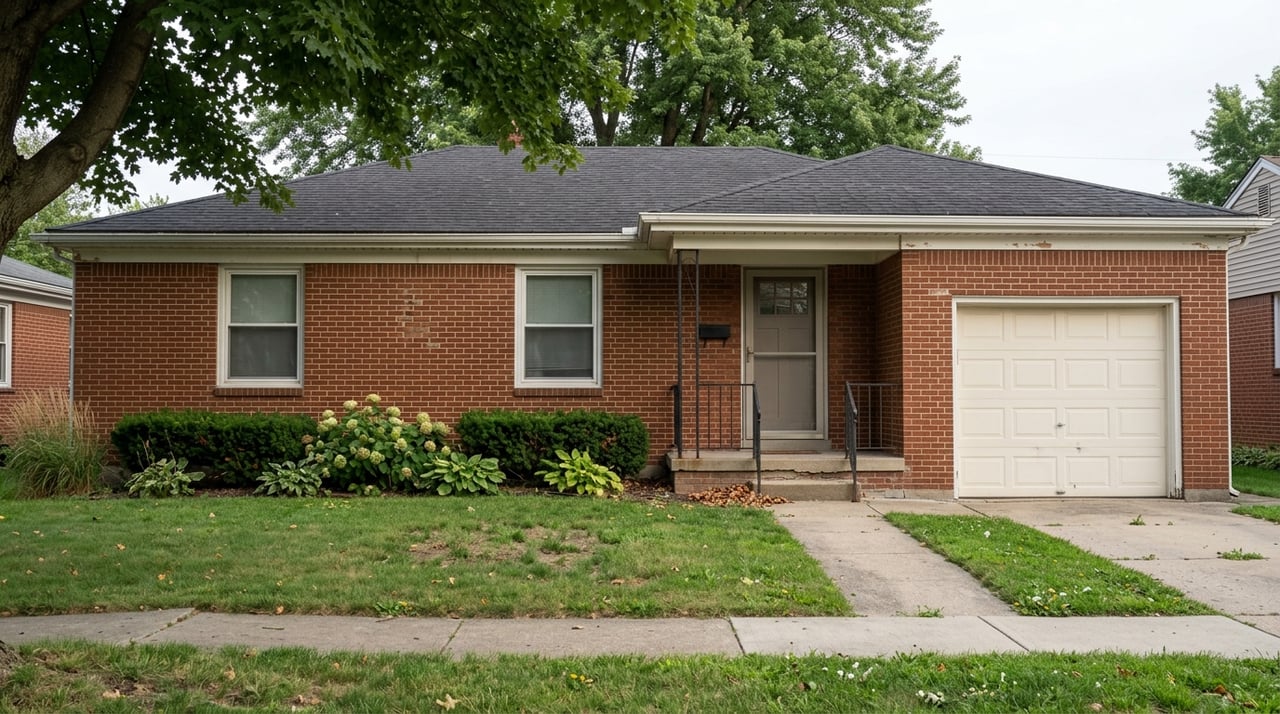
Wondering whether you can sell your Lansing home without fixing everything first? If your property has deferred maintenance, dated finishes, or bigger repair issues, you are not alone, and you still have options. The key is choosing a sale path that fits your timeline, budget, and stress level while staying realistic about what buyers and lenders will expect in Lansing. Let’s dive in.
Lansing market conditions matter
In Lansing, pricing and condition both play an important role. Recent market snapshots showed a median sale price around $199,880 and a median listing price around $199,900, with homes spending roughly 38 to 61 days on market depending on the source and time frame reported.
That tells you something important if your home needs work. Lansing is active enough that buyers are still looking, but it is not the kind of market where condition stops mattering. If your property has visible issues, buyers will likely compare it against homes that feel more move-in ready and adjust their offers accordingly.
Your three main selling options
If your Lansing home needs work, most sellers end up choosing one of three paths. The best fit depends on how much repair work is needed, how quickly you need to sell, and whether your mortgage situation adds pressure.
Sell the home as-is
An as-is sale can be the simplest route if you do not want to take on repairs, contractor scheduling, or upfront expenses. This option often works well when the home needs broad updating, when the seller is handling an inherited property, or when time and energy are limited.
In Illinois, selling as-is does not remove your disclosure duties. Sellers still must provide the Illinois Residential Real Property Disclosure Report before the contract is signed, and the law says the form does not prevent the parties from agreeing to an as-is sale.
The disclosure form is also not a substitute for inspections or warranties. If you learn something material before closing, you may need to supplement your disclosure, so honesty and organization matter throughout the transaction.
Make targeted repairs
If you have some funds available, a full renovation is usually not the only answer. In many cases, it makes more sense to focus on the repairs most likely to affect buyer confidence or financing.
HUD guidance for FHA-related condition standards makes a useful distinction here. Cosmetic repairs are generally not required, but issues tied to safety, security, or soundness can create problems. That can include roof leaks, foundation damage, inoperative plumbing, electrical issues, and drainage concerns.
For you as a seller, that means limited dollars may go further when spent on key functional items instead of broad cosmetic upgrades. A patched roof or repaired electrical issue may do more to support your sale than replacing finishes that are simply dated.
Consider a short sale
If you owe more than the home is likely to sell for, a short sale may be the right conversation to have. A short sale means selling the property for less than the mortgage balance with lender or servicer approval.
This route can help some owners avoid foreclosure, but it is rarely quick. Lender review can take weeks or months, and the lender controls much of the pace.
Short-sale sellers should also pay attention to the fine print. You may need to ask the lender to waive any deficiency in writing, and forgiven debt can create tax consequences. In a more complex situation like this, careful documentation and professional guidance are especially important.
How to decide which path fits
The right option usually comes down to your priorities. Think about your budget, your timeline, and how much work you can realistically manage before listing.
Sell as-is if speed matters most
An as-is sale may fit best if:
- You want to avoid managing repairs
- The home needs broad updating
- You are selling a vacant or inherited property
- You need a simpler, faster process
This path can attract buyers who expect to renovate, including cash buyers and buyers already looking for a project. The tradeoff is that pricing needs to reflect the condition clearly.
Repair selectively if financing matters
Targeted repairs may make sense if:
- The home has a few major functional issues
- You want to widen the buyer pool
- You hope to reduce inspection concerns
- You want to improve the odds of lender approval
You do not need to make the house perfect. You just need to think strategically about what could cause a buyer to walk away or what could create financing issues.
Short sale if mortgage pressure is serious
A short sale may be worth exploring if:
- The mortgage balance is higher than expected sale value
- You are behind on payments or under financial strain
- You want to avoid a foreclosure outcome if possible
- You understand the timeline may be longer
Because lender approval drives the process, patience matters here. It is also smart to keep written records, ask direct questions, and understand the possible financial impact before moving forward.
Illinois disclosure rules still apply
No matter which sale path you choose, Illinois disclosure requirements still matter. For one- to four-unit residential property, condominiums, and co-op units, sellers must provide the Residential Real Property Disclosure Report before the contract is signed.
The form covers many of the exact issues that come up in homes needing work. That includes foundation or basement problems, roof leaks, wall and floor defects, plumbing and electrical issues, heating and cooling problems, sewer concerns, radon, asbestos, and lead-related concerns.
Timing matters too. If a seller gives the disclosure late and it reveals a material defect, the buyer may have five business days after receipt to terminate. If the disclosure is not provided before conveyance, the buyer can terminate the contract.
That is one reason clean paperwork matters from day one. A delayed or incomplete file can create avoidable problems even when the buyer already knows the home needs work.
Permits and records can help your sale
If repairs or improvements were done over the years, gather your records early. In Lansing, the village says contractors must register with the building department, and permits are required for many types of improvements, including additions, garages, sheds, decks, porches, patios, fences, retaining walls, driveways, and sprinklers.
That does not mean every sale will hinge on a thick folder of documents. It does mean permit records and contractor information can help support a cleaner transaction file, especially when buyers ask questions about past work.
If you know permits were pulled, keep copies ready. If you have invoices, before-and-after photos, or repair estimates, those can also help explain the property clearly.
What buyers for fixer-uppers often want
Not every buyer expects perfection. Some buyers actively look for homes they can improve, and marketing the property to the right audience can make a difference.
HUD’s 203(k) program allows eligible buyers to finance both the purchase and rehabilitation in one loan. That means your buyer pool may include both cash investors and owner-occupant buyers who are open to taking on repairs.
In practical terms, these buyers often focus less on outdated finishes and more on repair scope, title clarity, and whether the property can make it through lender review. A realistic price, a clear description of condition, and solid documentation can help your home stand out to this audience.
What to prepare before listing
A home that needs work usually sells more smoothly when the paperwork is organized early. Whether you sell as-is, make selected repairs, or pursue a short sale, it helps to build a seller file before the property goes live.
Start with these basics
Try to gather:
- The Illinois disclosure report
- A list of known defects
- Repair estimates or contractor bids
- Photos of current condition
- Permit records for completed work
- Mortgage payoff information
- Photo ID
- Keys, garage openers, and access items
- Deed or title paperwork if the home is paid off
You should also expect routine closing prorations for items like property taxes, utility bills, homeowners insurance, and association dues if they apply. If you carry homeowners insurance, do not cancel it until the transfer of ownership has been recorded.
Plan your timing realistically
Even when a sale is fairly straightforward, closing usually takes time. A typical transaction can take about six to eight weeks between contract signing and closing, and that is before adding repair negotiations, title questions, or lender delays.
For short sales, the timeline is often much longer. If lender approval is required, months are possible rather than weeks.
That is why it helps to prepare early instead of waiting for an offer first. Payoff requests, disclosures, permits, and title-related documents are easier to manage when you are not scrambling at the last minute.
A practical Lansing selling strategy
If your Lansing home needs work, you do not need a one-size-fits-all answer. In many cases, the most practical route is one of these three: sell as-is, fix only the items that matter most to buyers and lenders, or explore a short sale if the mortgage situation is too tight.
What matters most is matching the strategy to the facts of your property and your goals. With the right pricing, documentation, and process, even a home that needs work can be positioned clearly and sold with less confusion and stress.
If you want practical guidance on selling a Lansing home with deferred maintenance, vacancy, or a more complex situation, Tamika Marks can help you understand your options and move forward with a steady plan.
FAQs
What does selling a Lansing home as-is actually mean?
- Selling a Lansing home as-is means you and the buyer agree that the property will be sold in its current condition, but Illinois sellers still must provide the Residential Real Property Disclosure Report before the contract is signed.
Should you fix anything before selling a Lansing fixer-upper?
- If you have limited funds, it may make more sense to focus on major issues tied to safety, security, or soundness, such as roof leaks, foundation concerns, plumbing problems, electrical issues, or drainage defects.
Can a buyer still get financing for a Lansing home that needs work?
- In some cases, yes. Buyer options may include programs such as HUD 203(k), which allows eligible buyers to finance both the purchase and rehabilitation in one loan.
How long does it take to sell a Lansing home that needs repairs?
- A typical sale may take about six to eight weeks from contract to closing, but homes with repair issues, financing concerns, or short-sale approval can take longer.
What disclosures are required when selling a Lansing home in poor condition?
- Illinois requires sellers of covered residential properties to provide the Residential Real Property Disclosure Report before the contract is signed and to supplement it before closing if they later learn of a material issue.
What should you prepare before listing a Lansing home that needs work?
- A strong seller file should include the disclosure report, known defect summary, repair estimates or photos, permit records, mortgage payoff information, identification, and basic closing items such as keys and title-related paperwork.